
Review
-
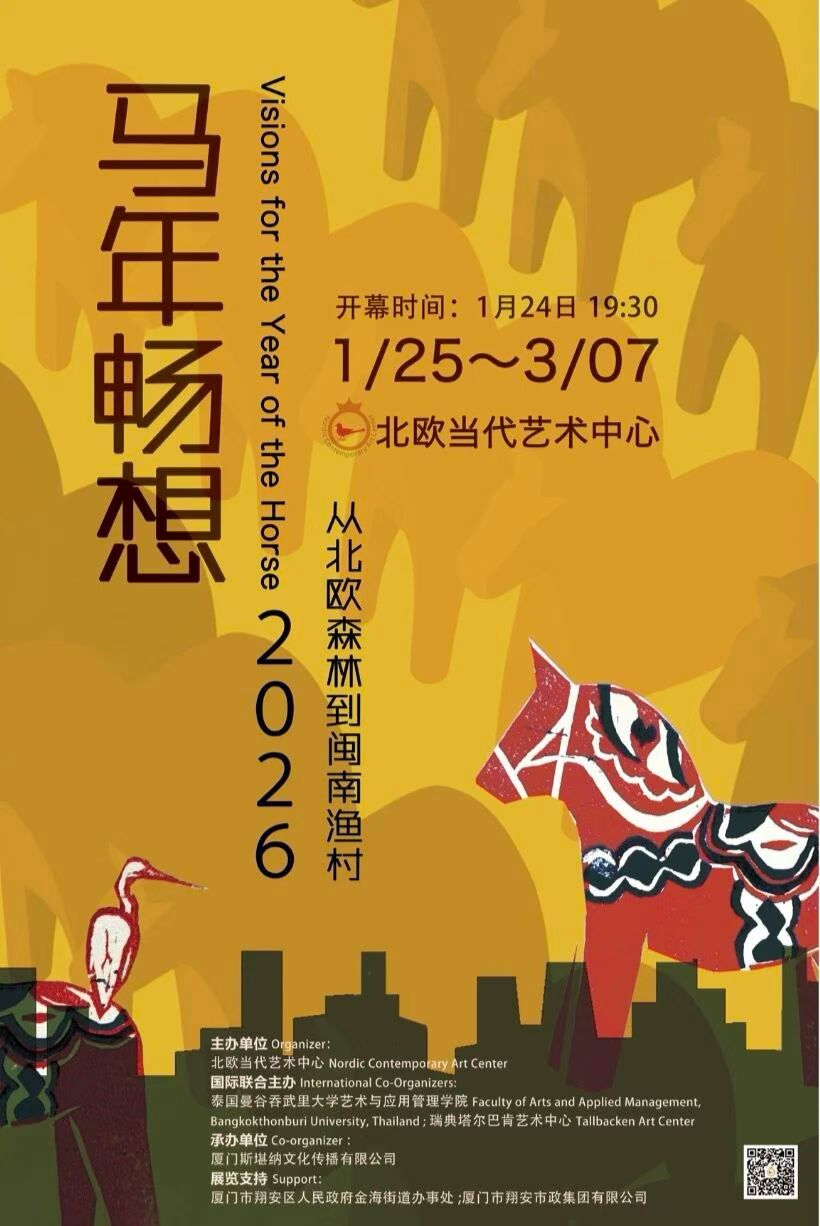
Exhibition Time:2026.01.25 - 2026.01.25
Opening Time:2026-01-24 00:00:00
Lecture Time:2026-01-24 00:00:00
Exhibition Venue:Nordic Contemporary Art Center, Xiamen
主讲人:Lan Lan
Curators:Lan Lan
策展执行:Yatao Zhang
策展助理:
Oganizers:Nordic Contemporary Art Center, Xiamen
Undertaker:Xiamen Skane Cultiral Communication Co.,Ltd.
Support units:Xiamen Xiang'an District Bureau of Culture and Tourism,Branch Headquarters of Xiamen Xiang‘an New Town Area,Office of Jinhai Street, Xiang'an District, Xiamen,Xiamen Xiang'an District Cultural Center,Xiamen Xiang 'an Jianfa Construction Group Co., LTD,
Artists:
Introduction
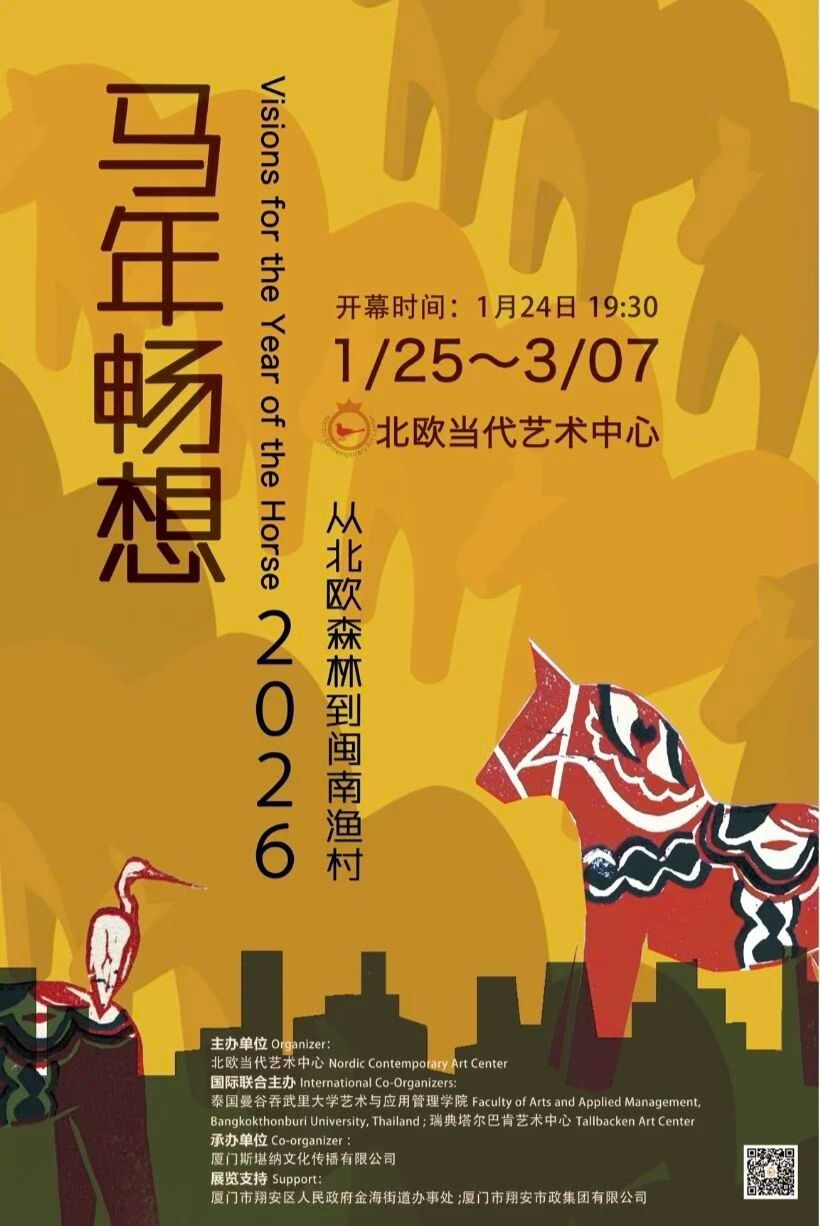
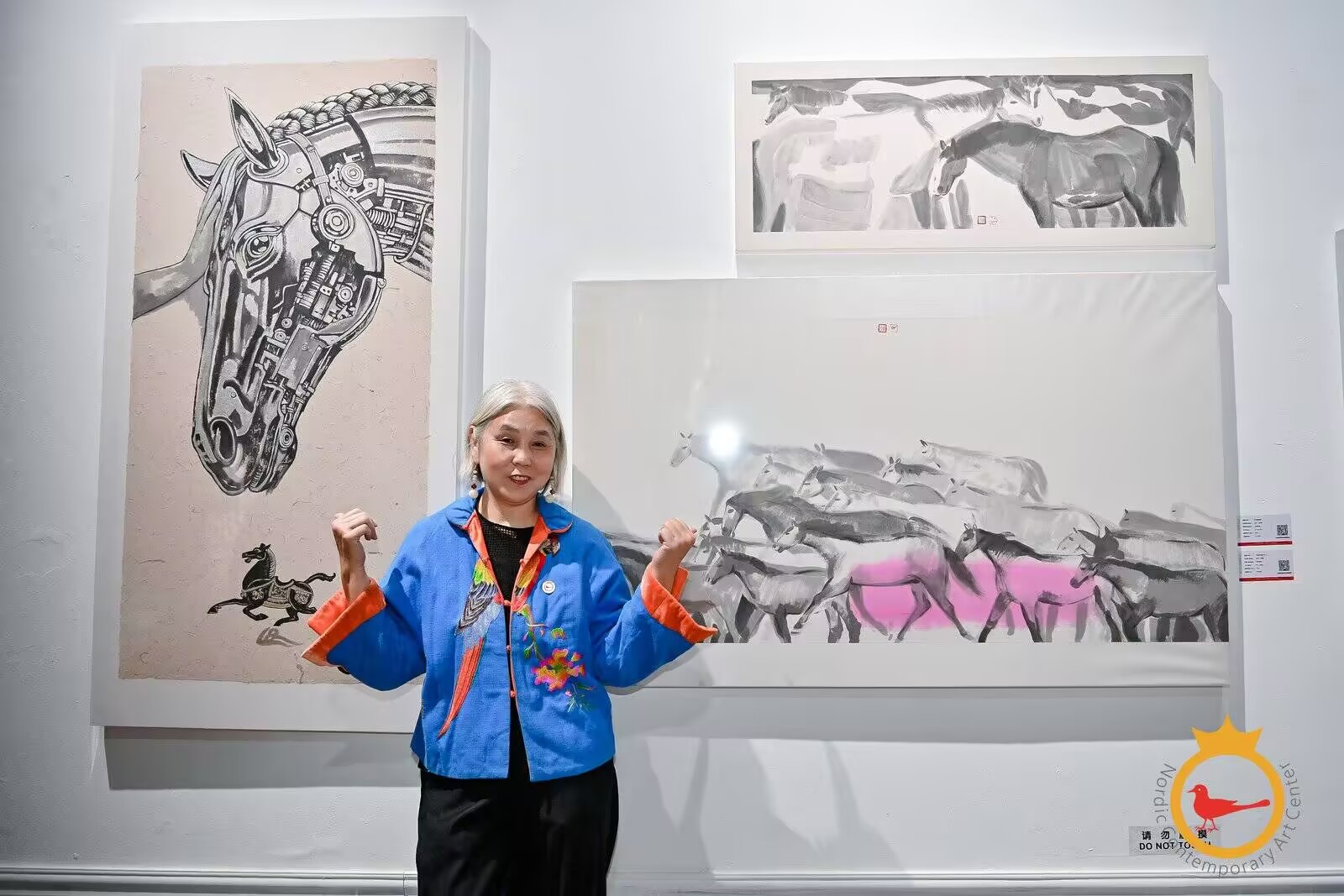
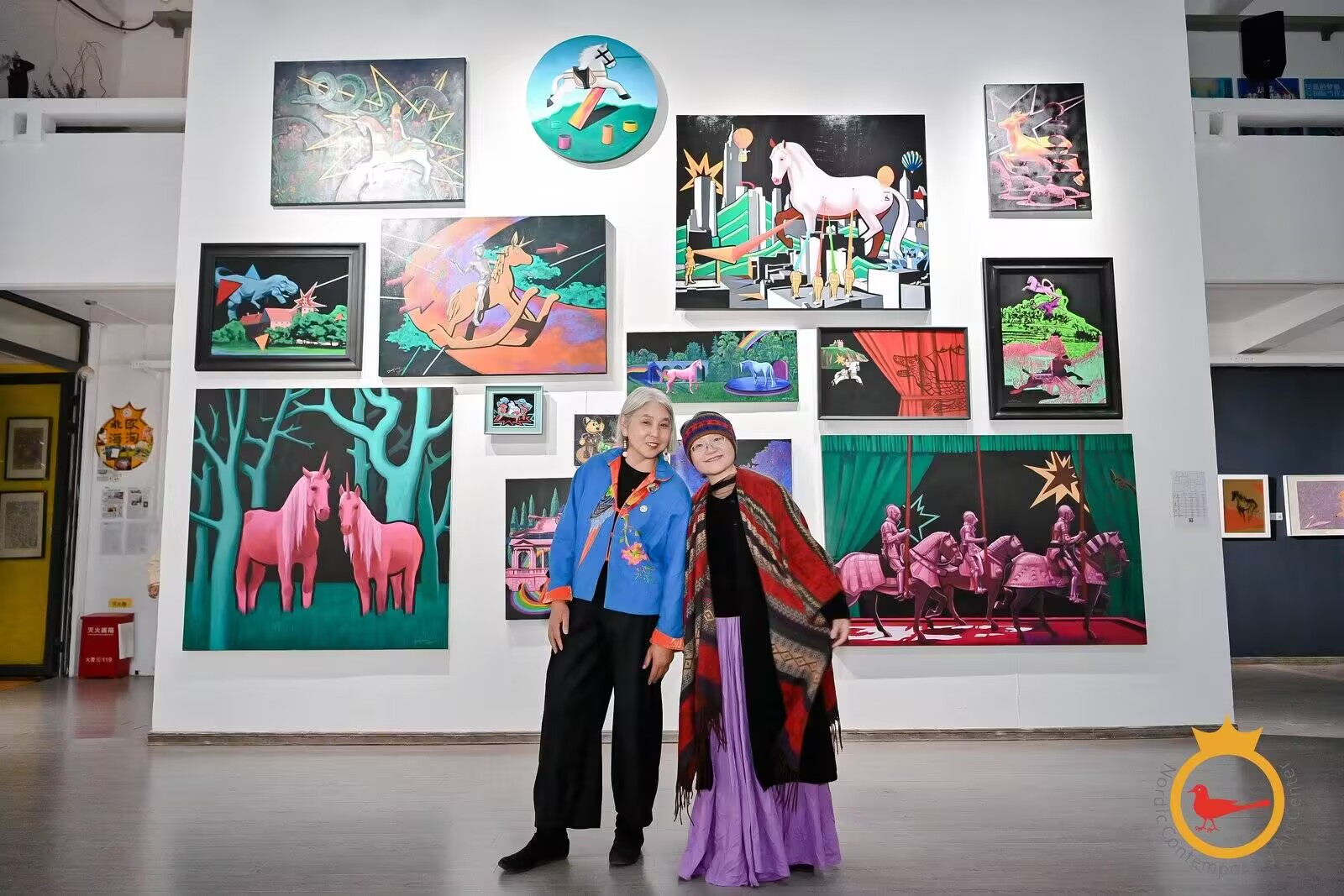
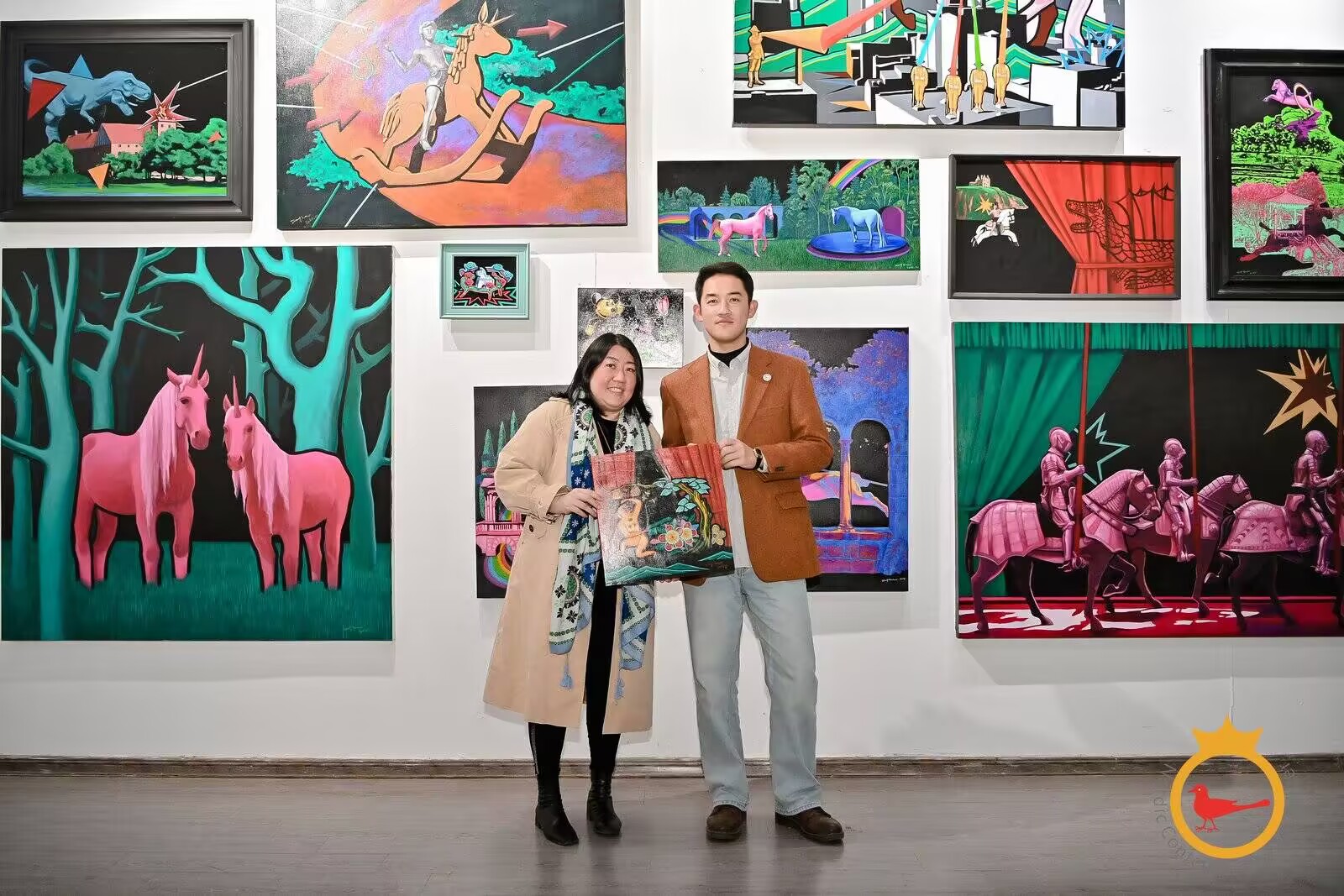
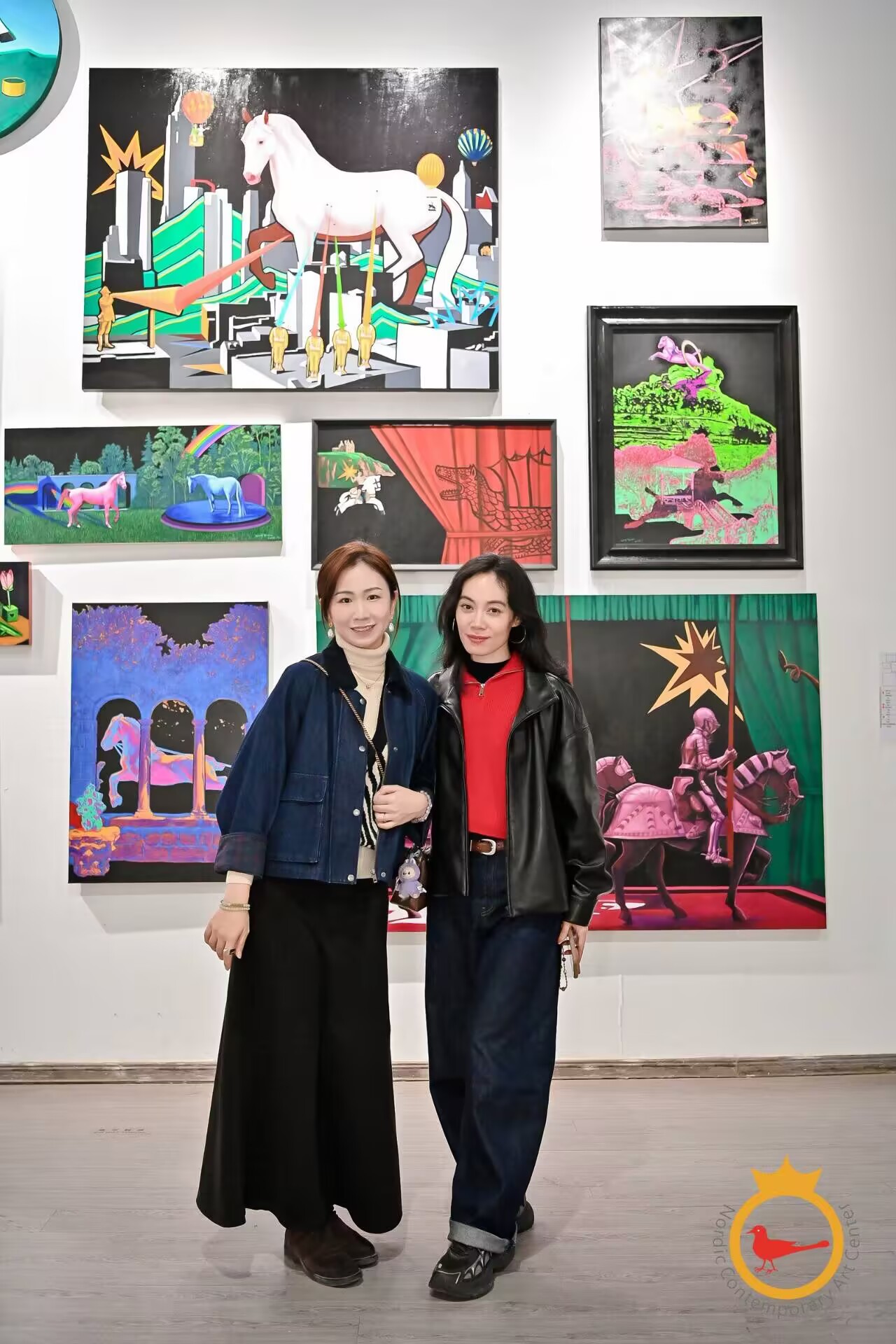
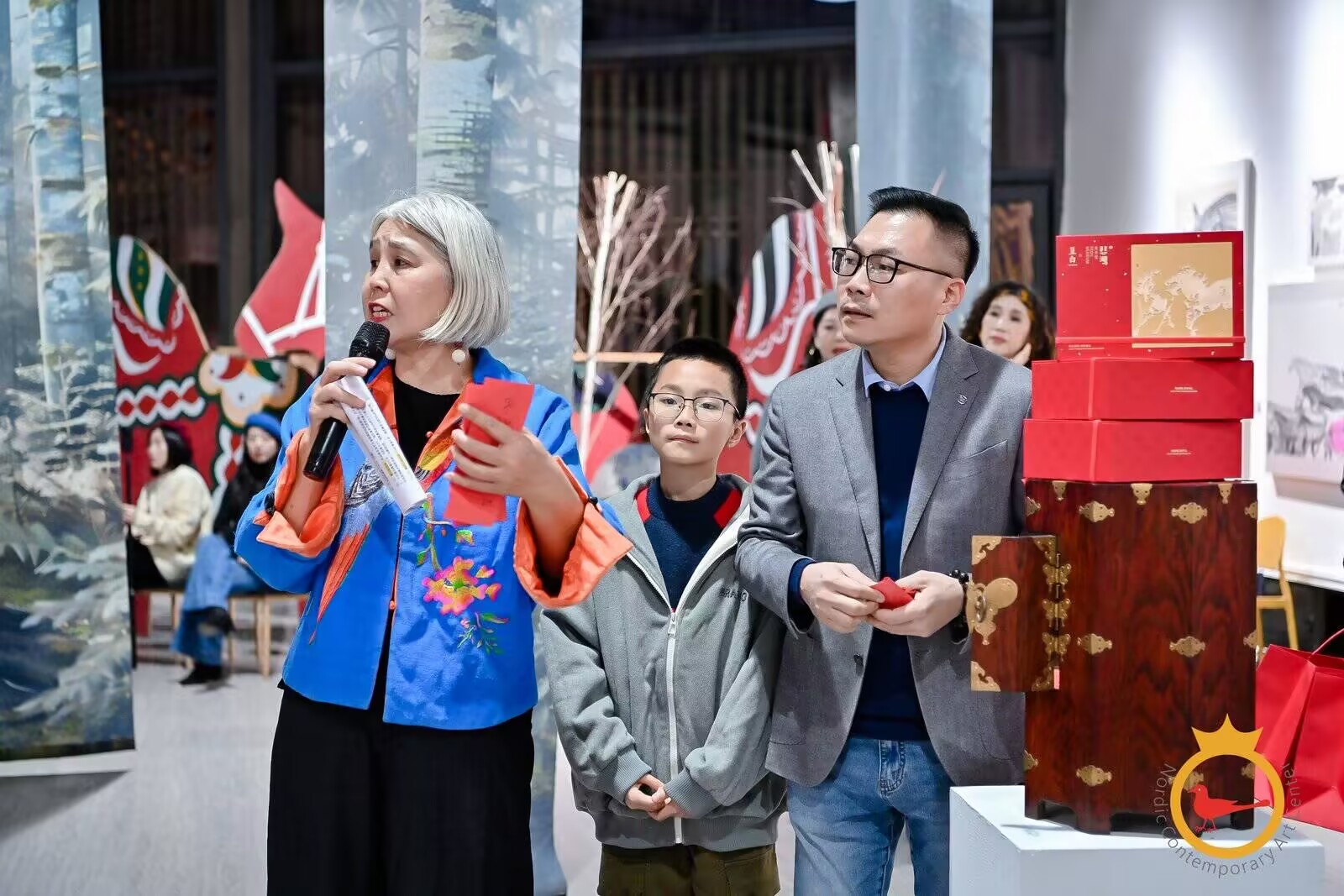
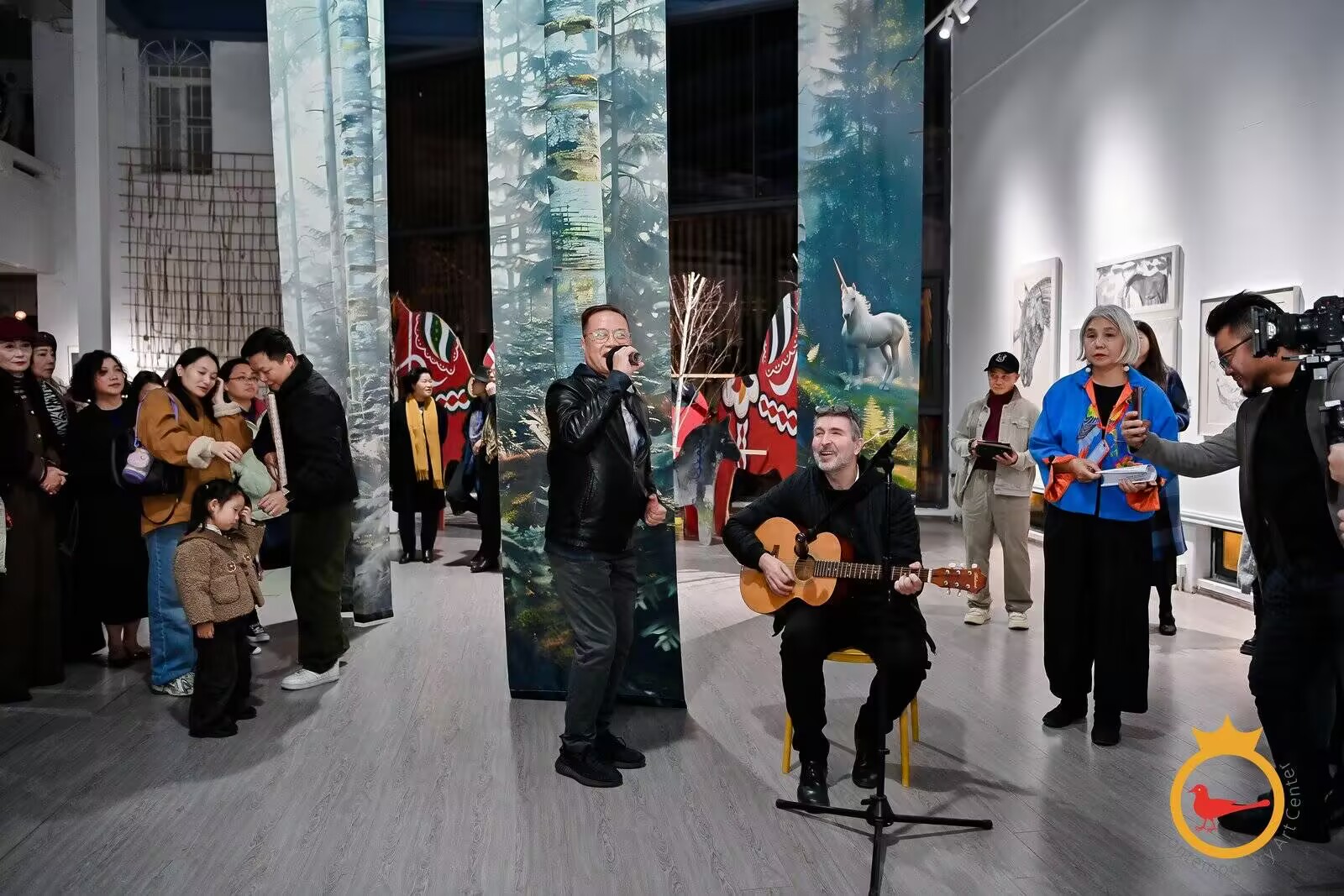
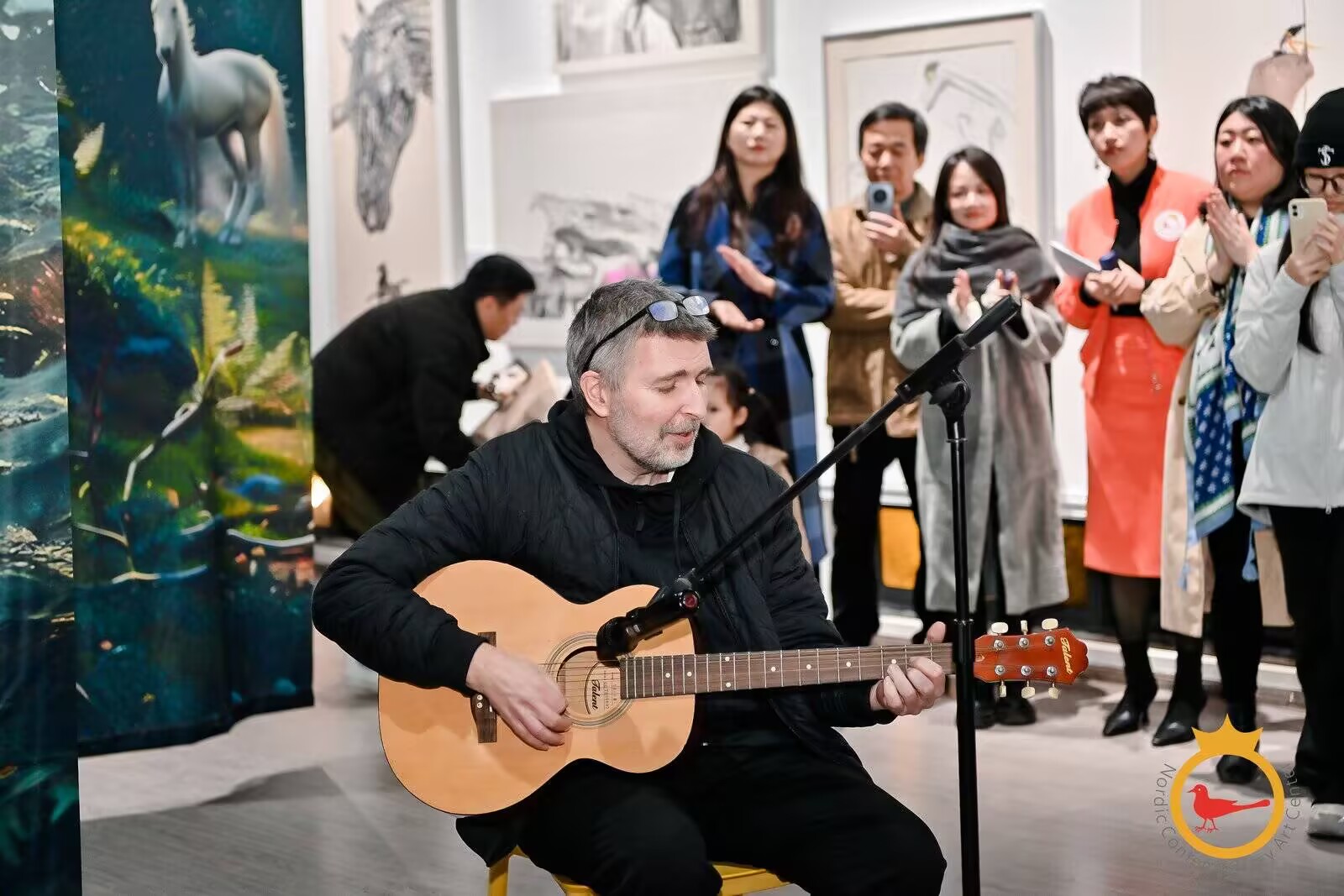
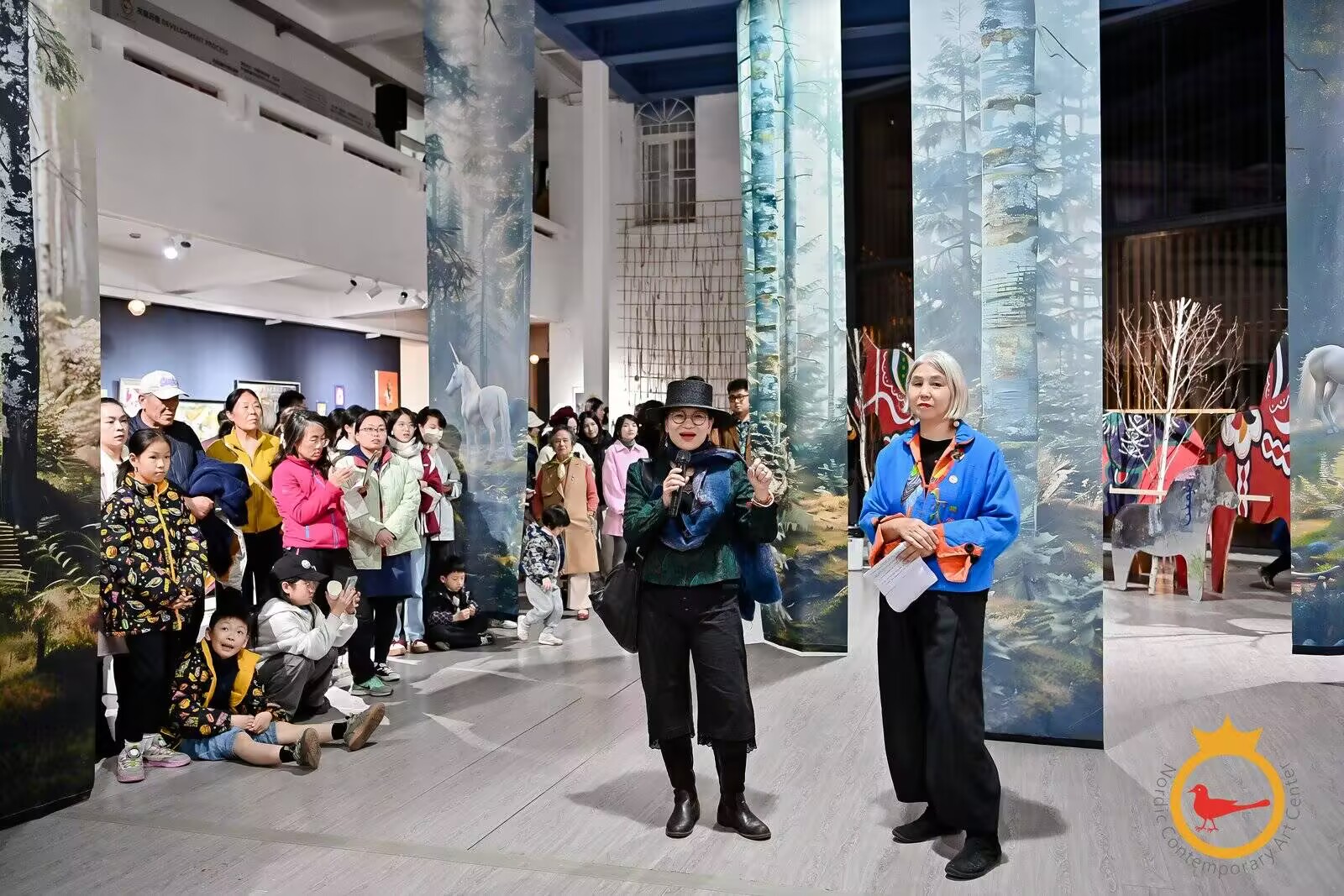
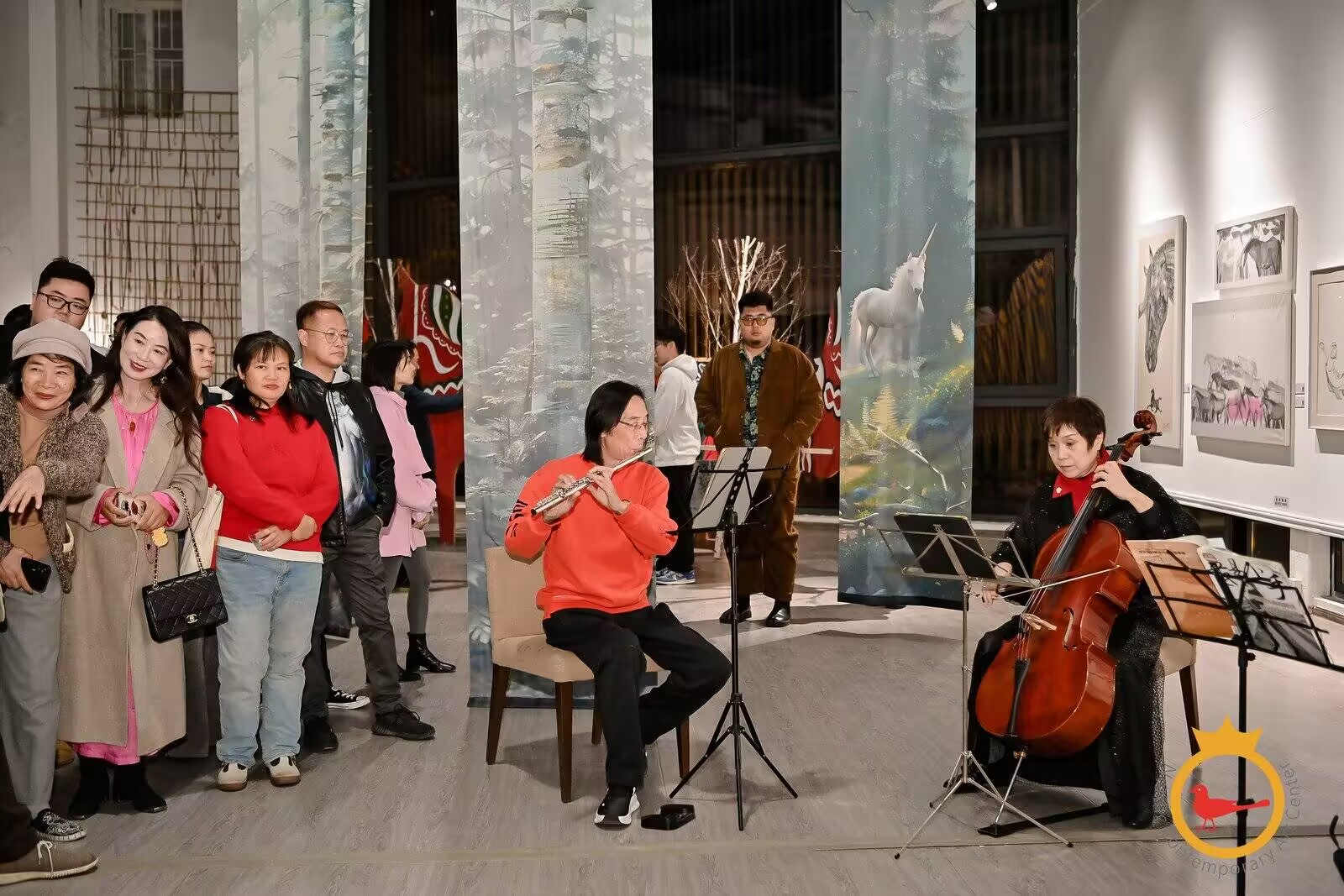
From the backdrop of the Chinese Lunar Year of the Horse (2026), this exhibition, taking the Nordic cultural symbol, Dala Horse, as its starting point, launches a dialogue cross-regionally and cross-culturally. From Nordic forests to Minnan fishing villages, this title depicts not only a journey in geographical sense, but also a movement of transformation of cultural symbols as they travel between different contexts.
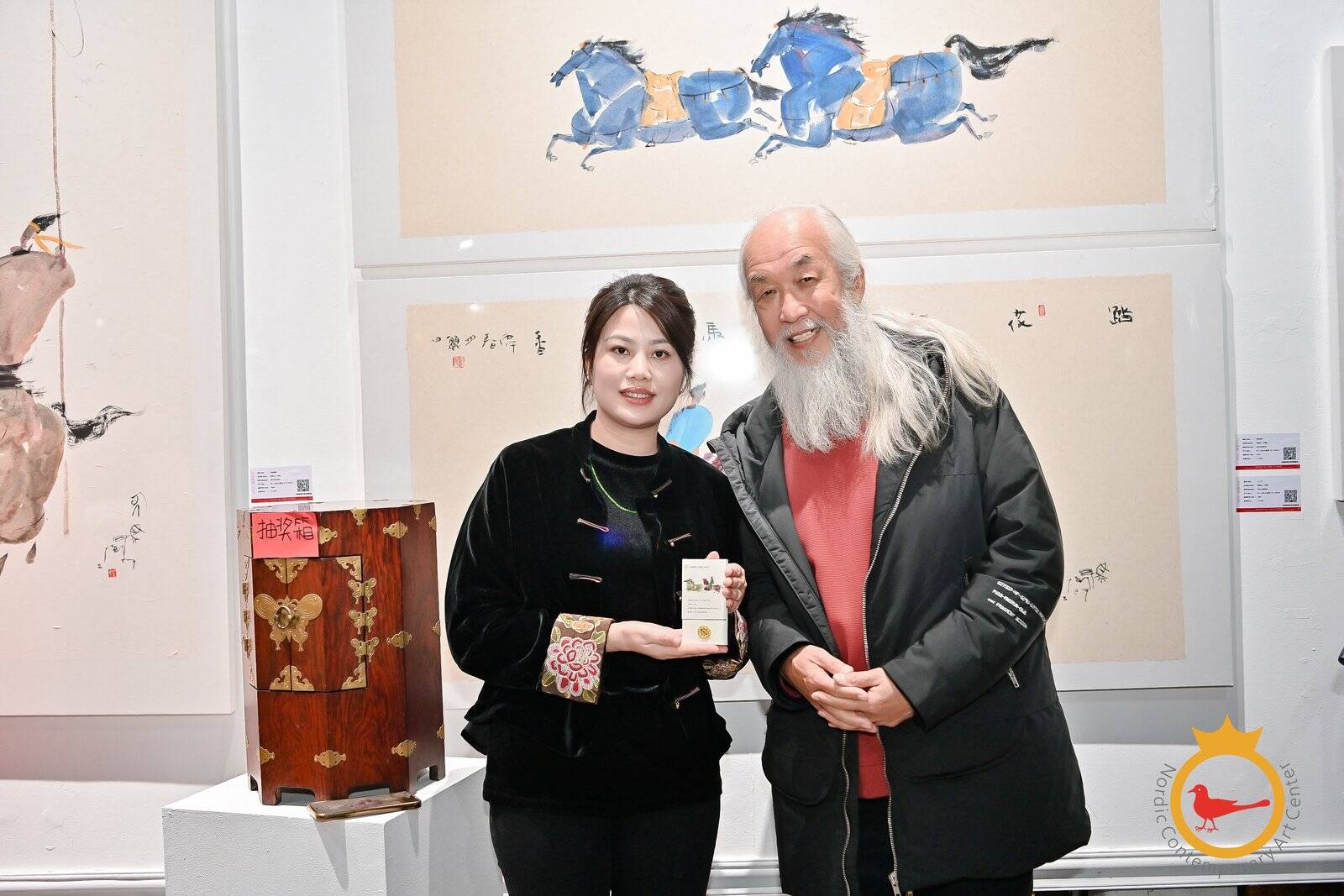
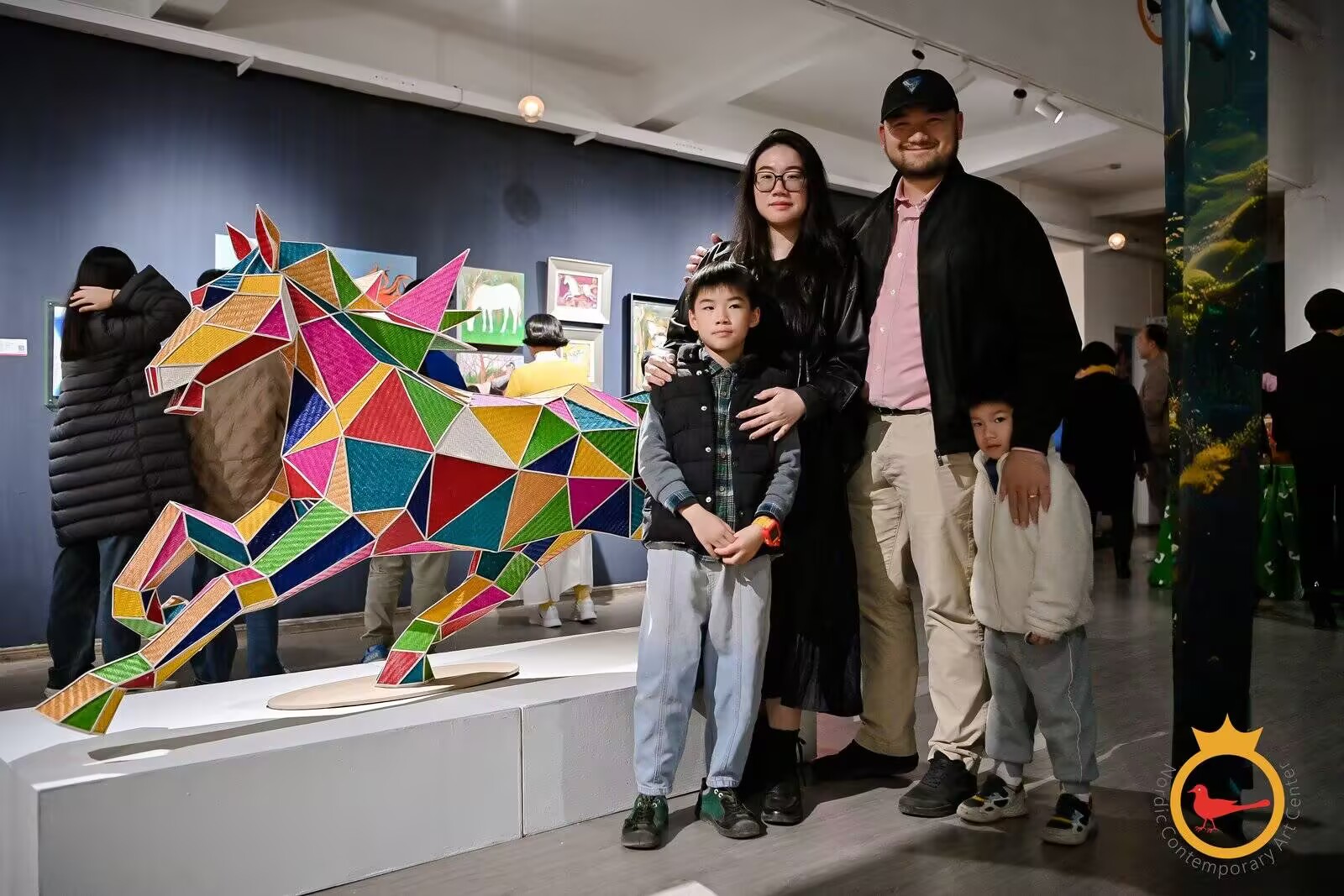
In many cultures, the horse signifies sprinting, strength, journey and union. Further, it is a symbol of hope and a new start. Due to this broad cultural resonance, the horse becomes a cross-cultural image that is continually reinterpreted. When this figure moves beyond its original cultural context and enters new social and artistic environments, its meaning is no longer fixed, but continuously generate through inter-actings of viewing, understanding, and creating.
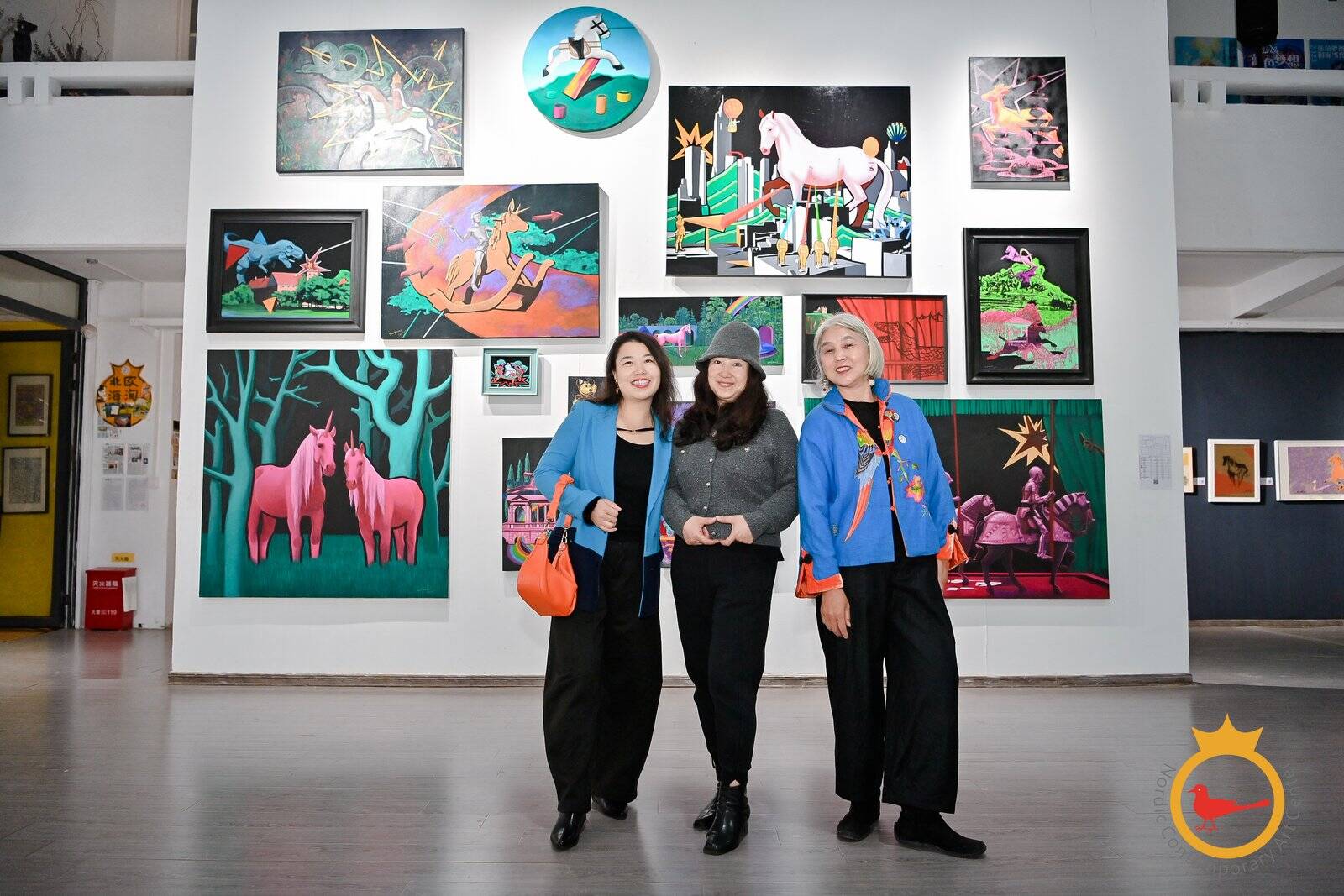
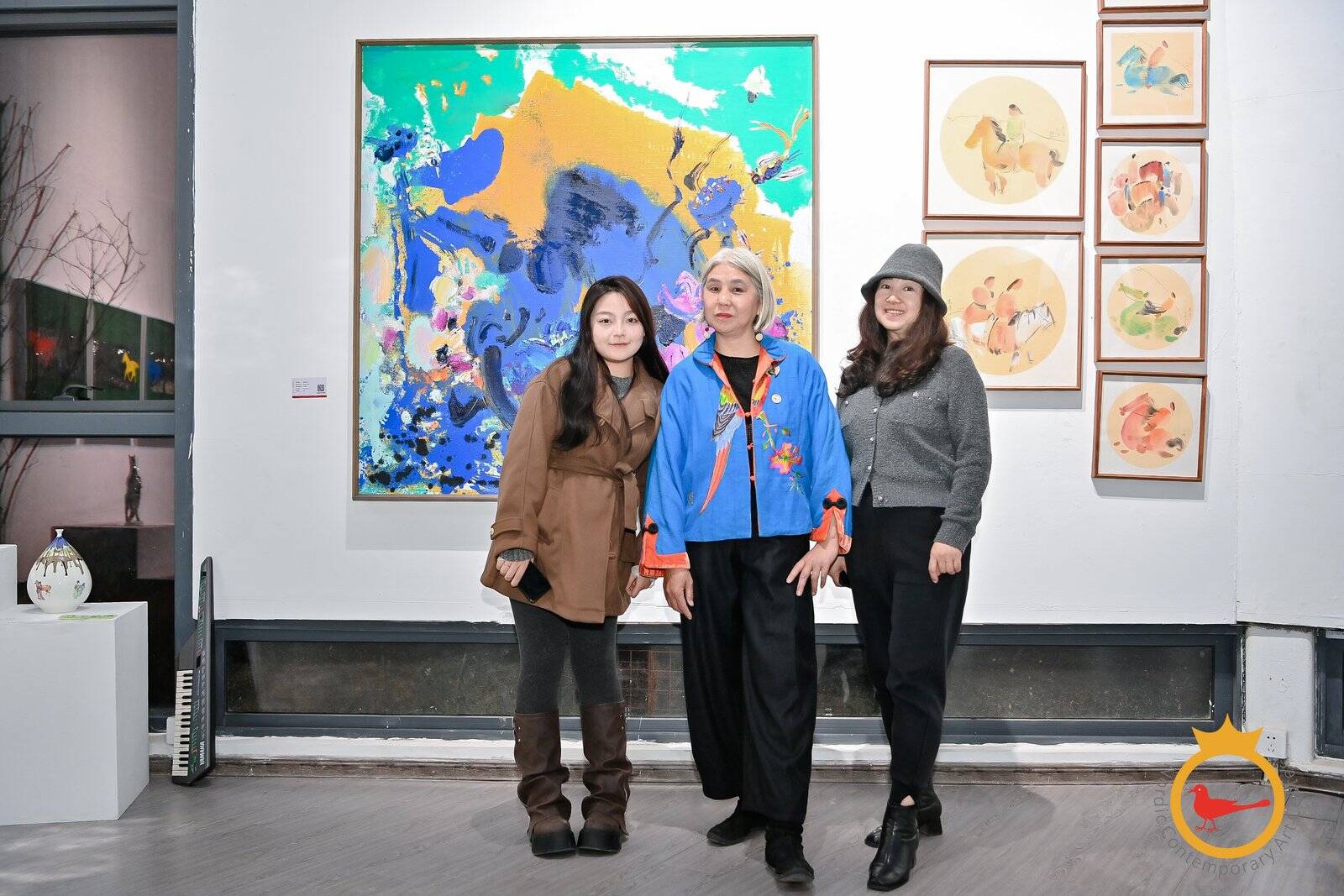
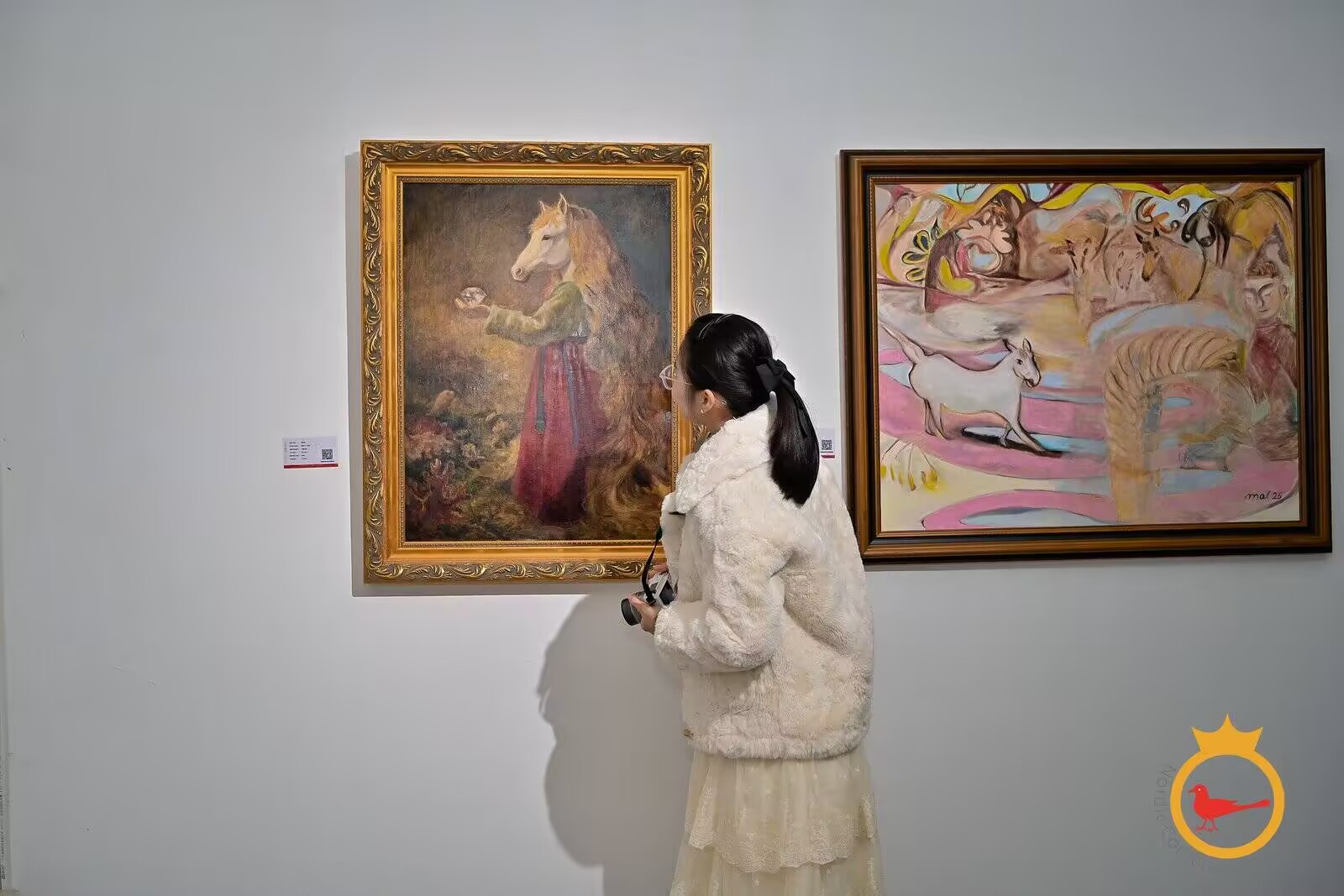
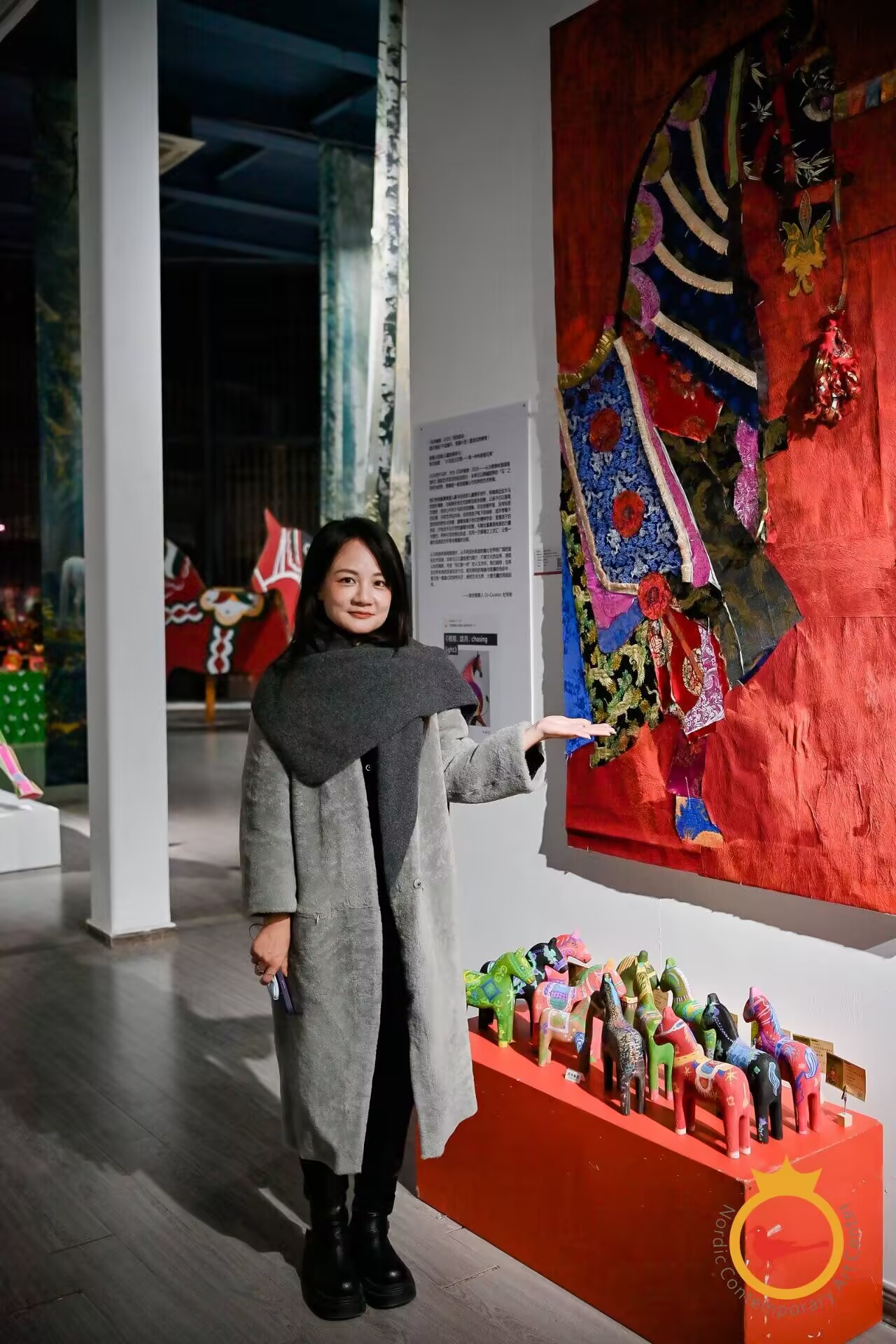
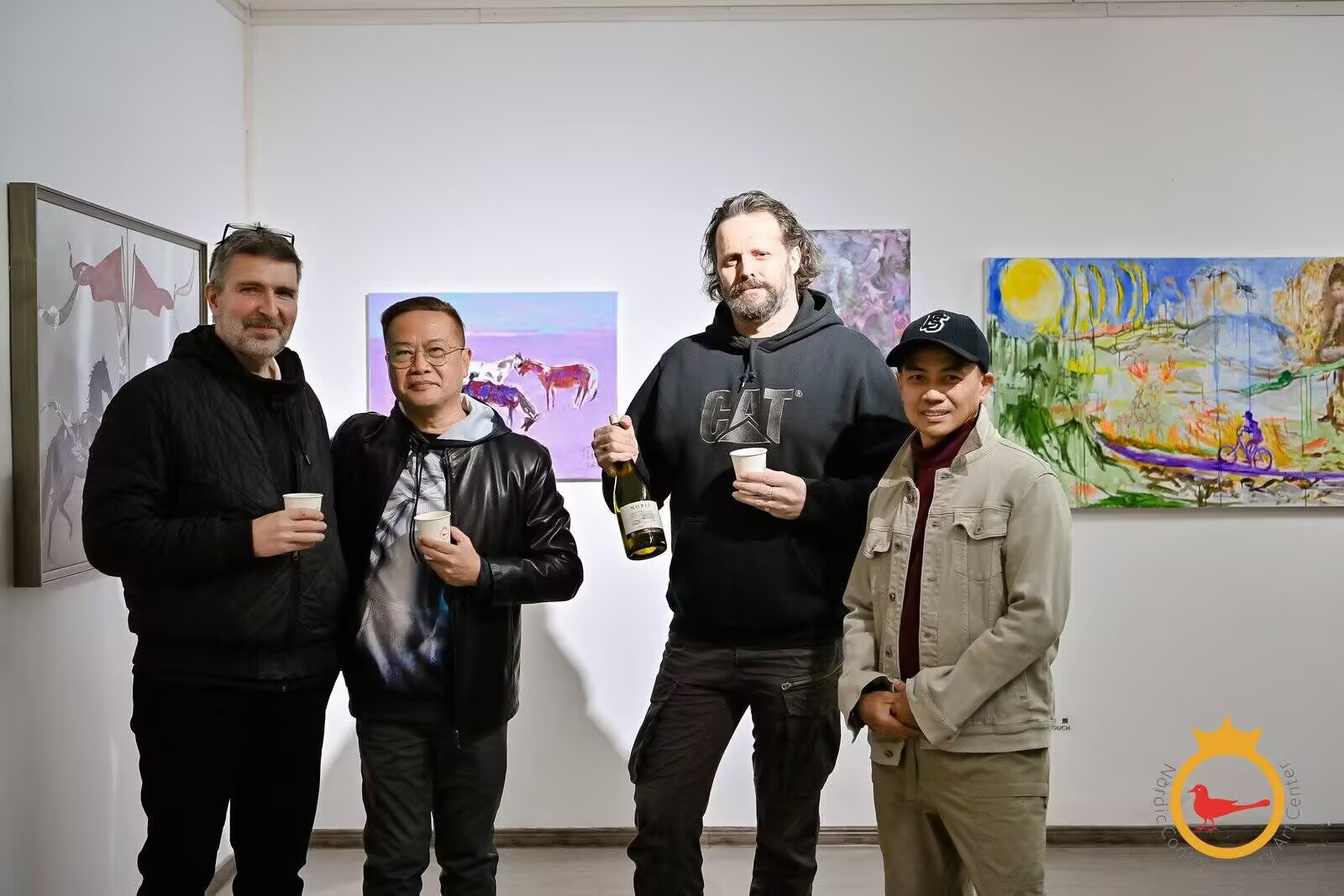
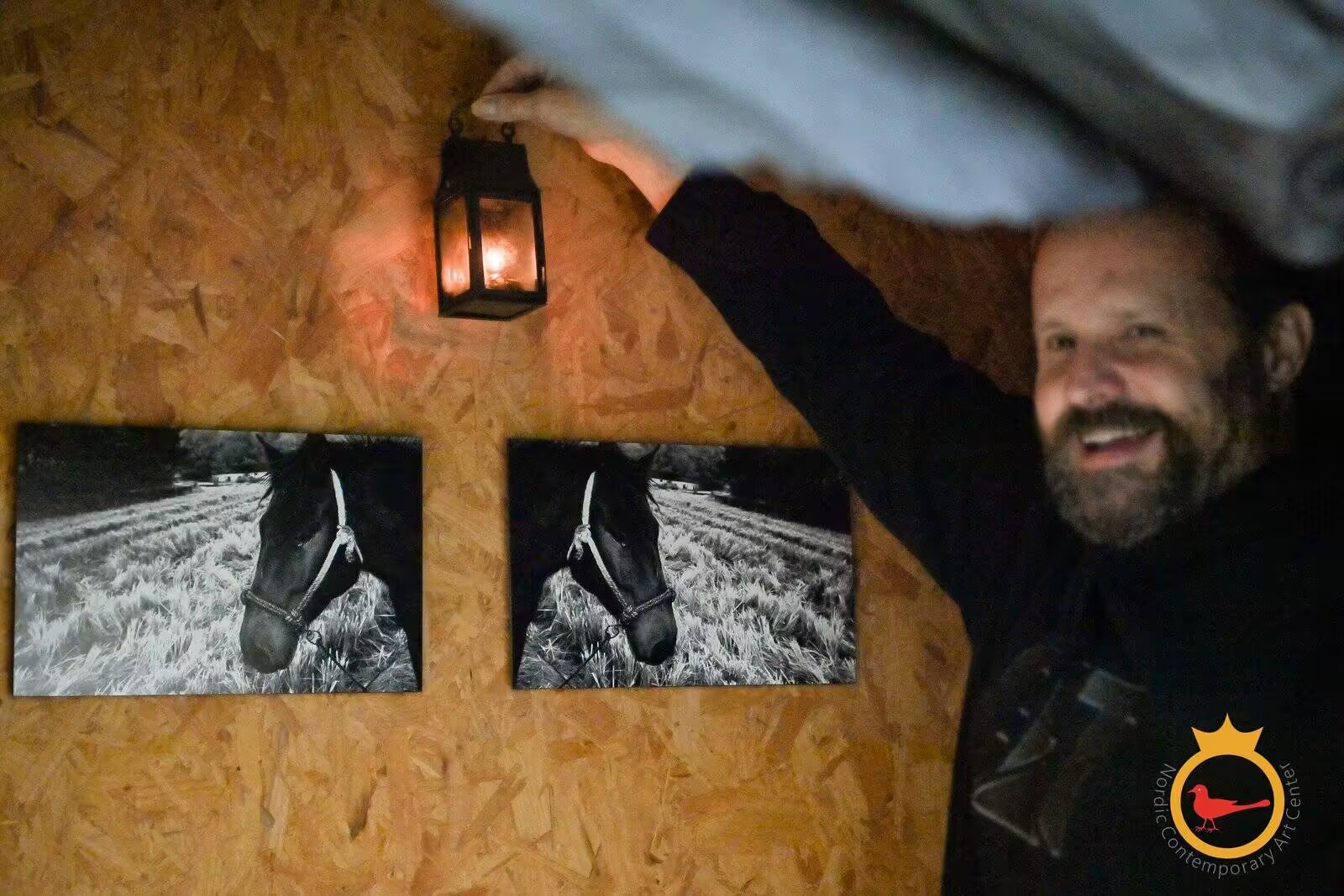
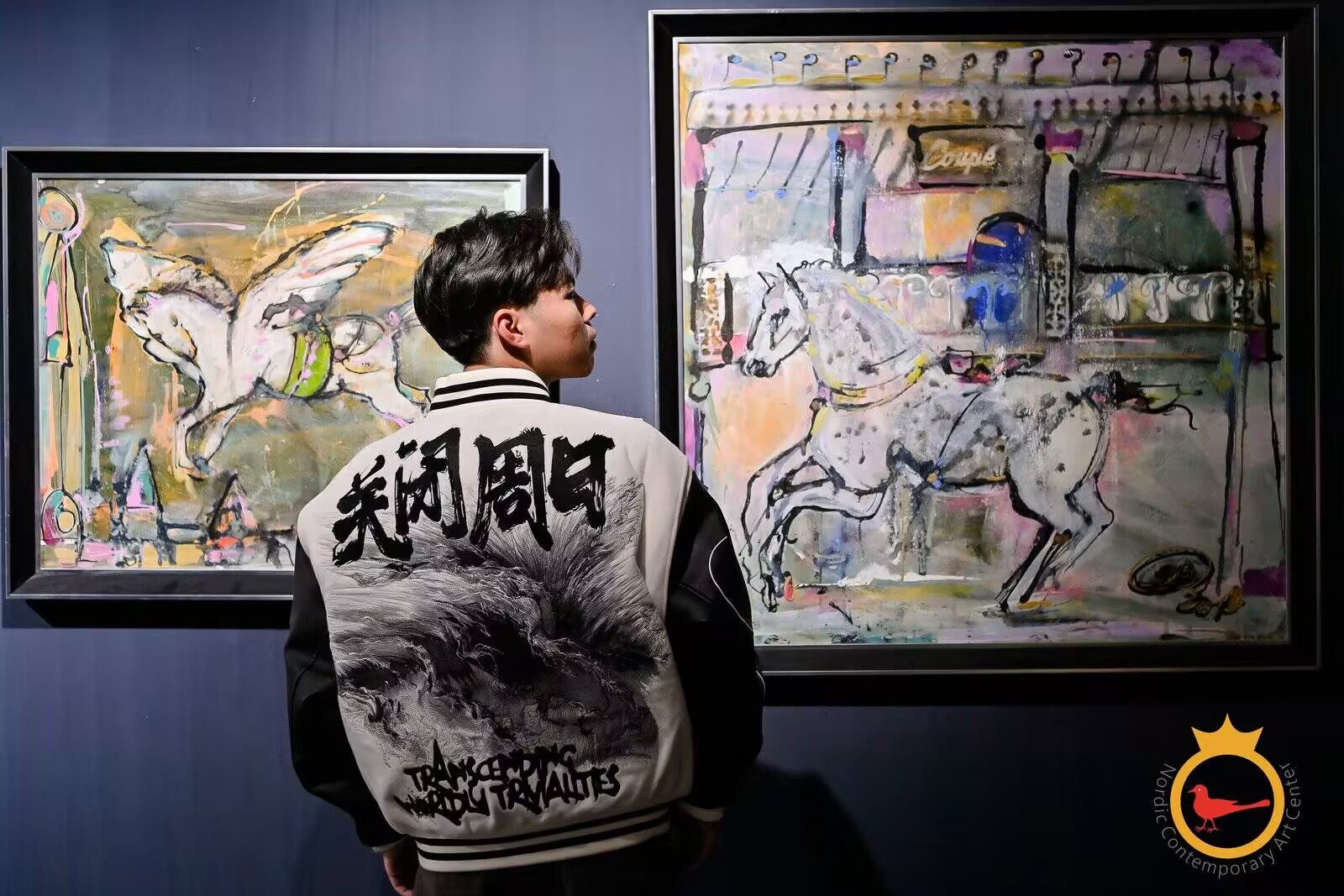
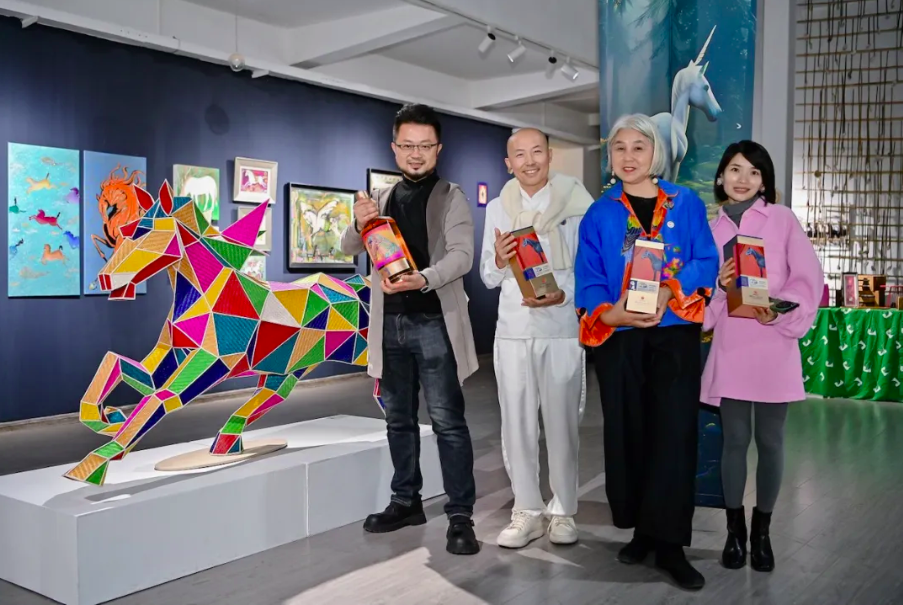
The Dala Horse originates from Swedish folk craftsmanship and is one of the most representative cultural symbols of the Nordic region. As this image arrives in Xiamen and enters a contemporary art context, the forms, memories, and symbols it carries undergo a process of translation. This exhibition brings together artists from China, Scandinavia, Southeast Asia, and Europe, who respond to the shared image of the horse through paintings, installations, videos, and cross-media practices.
The same symbol is repeatedly viewed and reimagined in different cultural contexts. Therefore, processes of symbolic translations, the coexistence of differences, and the generation of meanings form the core concerns of this exhibition. Rather than offering an unified answer, it invite viewers to form their own understandings through the act of viewing.
Situated at the moment of the Chinese New Year of the Horse, the exhibition employs the joint image of the horse to render the migration and rebirth of symbols a perceptible experience, while opening new perspectives on cultural transmission and recontextualization.
More
Exhibition
闽ICP备05022777号 ©2018 Visiting Reservation—Nordic Contemporary Art Center in Xiamen All Rights Reserved.
Add: 1# Huaiyuan Road, Xiang’an District, Xiamen, China
Mob: (+86)18750921083 (Miss Ke)
E-mail:lanlanart@vip.163.com